Modernizing a Legacy Insurance Agent Portal
Replaced fragmented legacy workflows with a task-driven portal experience that improved agent efficiency, accelerated onboarding, and created a scalable platform for future growth.

Lead Product Designer
Insurance
Research · UX strategy Workflow redesign Information architecture Prototyping · Design system
The Problem
Agents relied on a fragmented legacy portal that required navigating multiple disconnected systems to complete quoting, servicing, and policy management tasks, leading to slow workflows, high training overhead, and frequent user errors. Our mission was clear: redesign the portal to streamline workflows, eliminate friction, and empower agents with a system that actually worked for them, not against them.
Key Actions
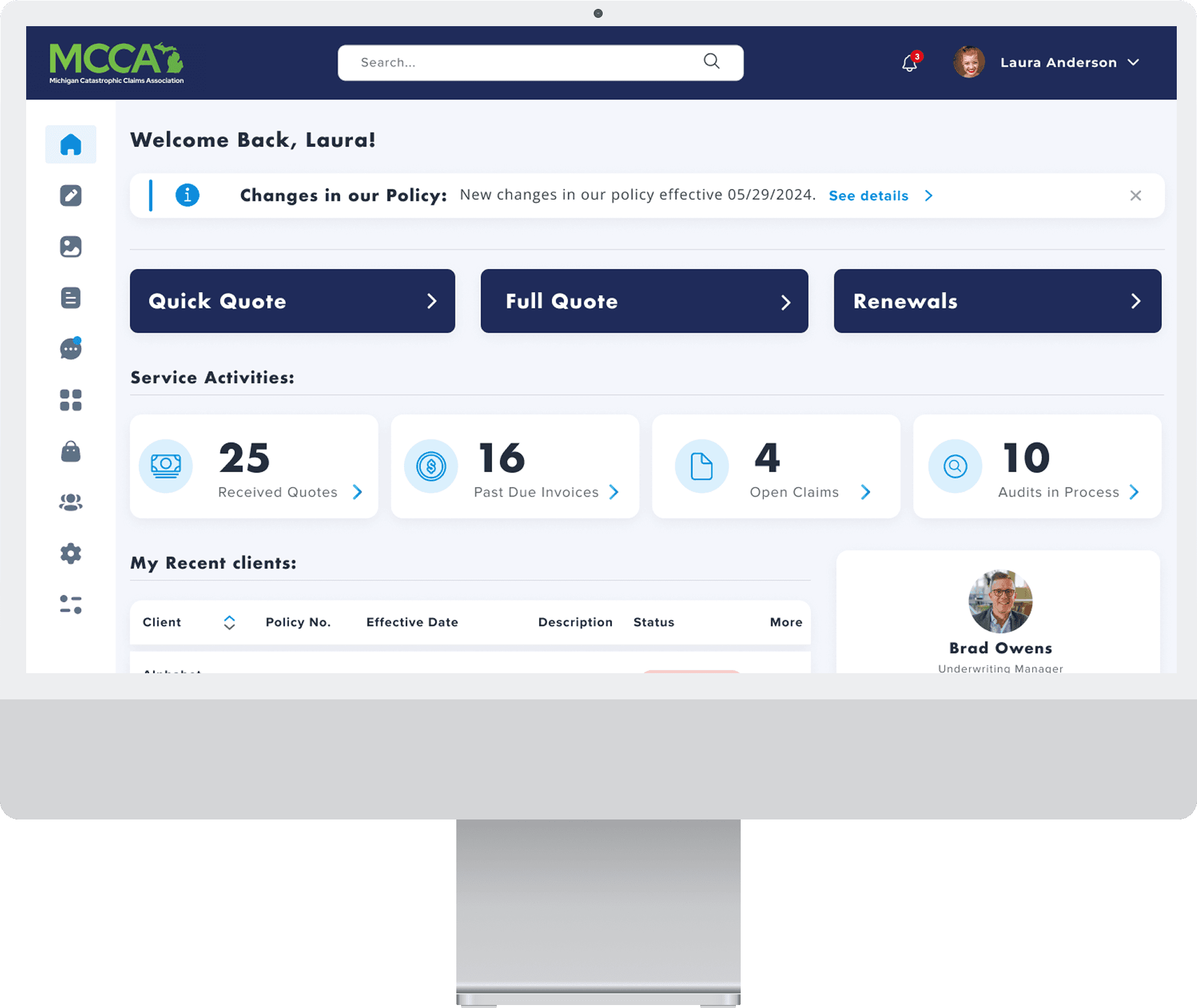
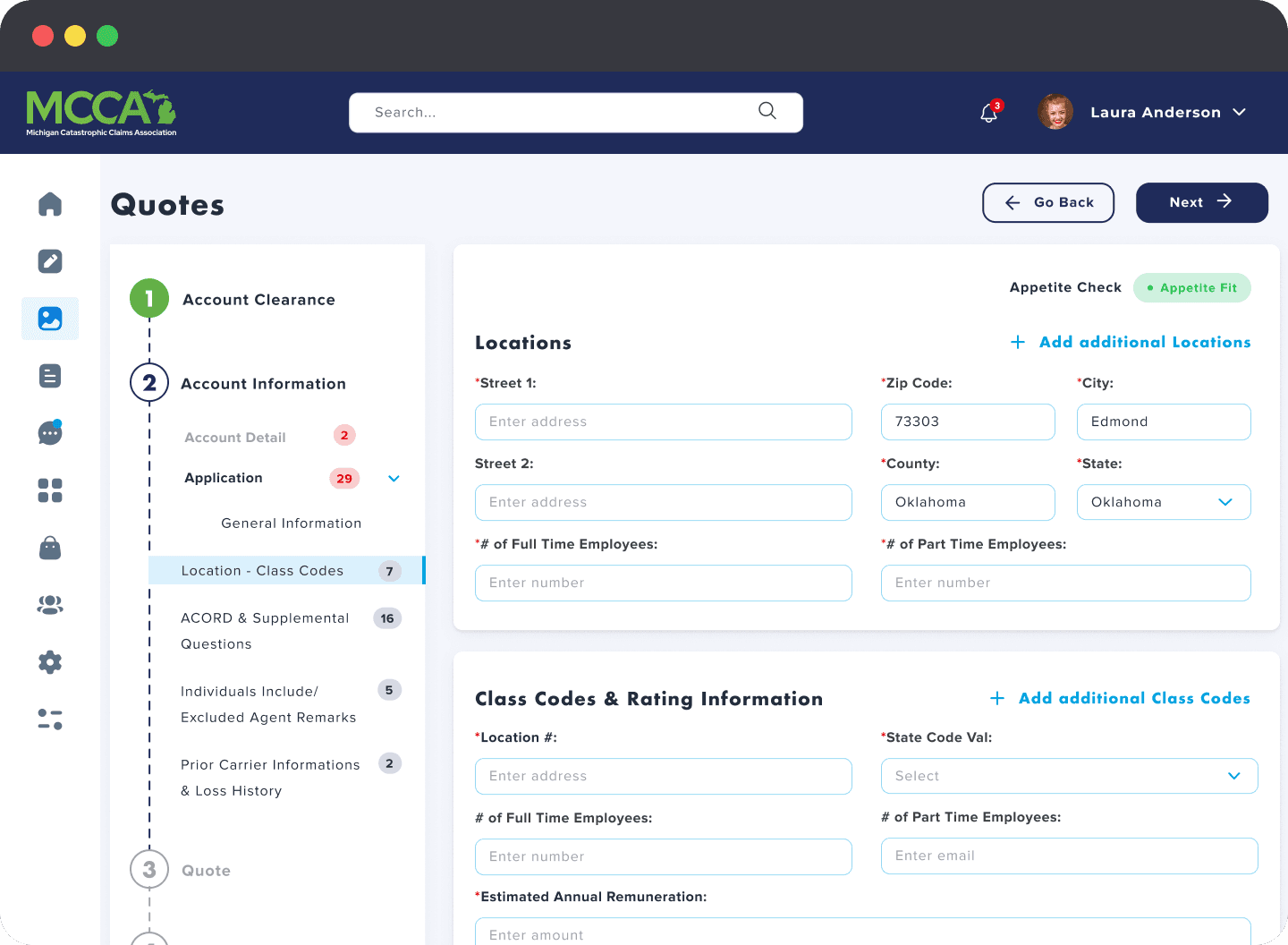
Replaced department-based navigation with task-driven workflow architecture
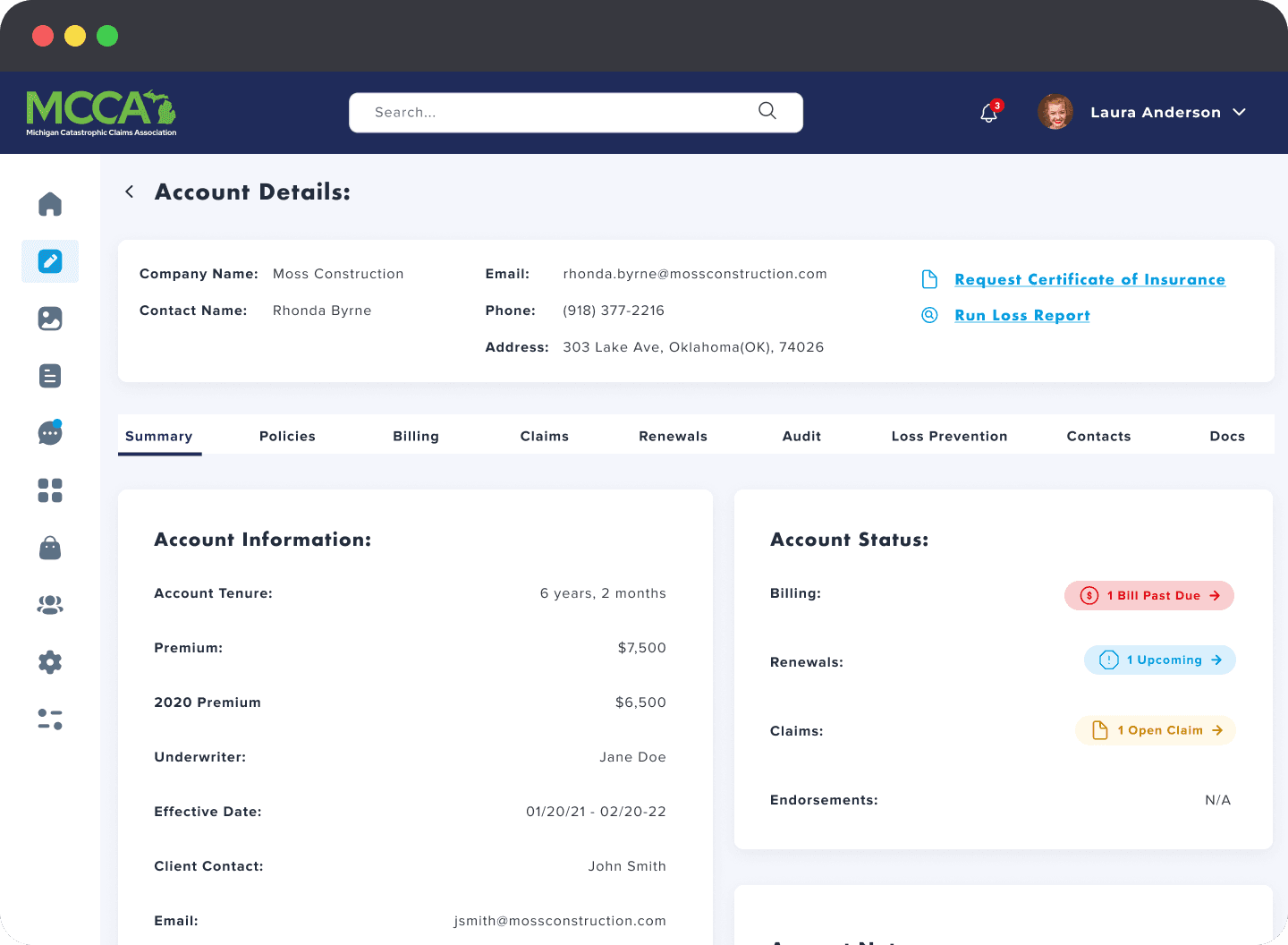
Consolidated multi-screen servicing flows into simplified step-based experiences
Established scalable interaction patterns and accessibility-compliant components
Impact
45% faster task completion
25% reduction in onboarding and training time
Reduced navigation complexity and user error rates
Enabled faster delivery of future platform enhancements
45%
Task completion
25%
Training time down
84%
Increase in time spent on website


Challenge
The legacy insurance agent portal had become fragmented after years of incremental updates. Inconsistent layouts, inefficient workflows, and outdated interaction patterns forced agents to move across multiple screens and systems to complete routine tasks such as quoting, policy search, and servicing. Onboarding new agents required extensive training, avoidable user errors increased support ticket volume, and product teams struggled to scale improvements due to inconsistent UI standards across the platform.
The initiative focused on redesigning the portal around real agent workflows, reducing friction, improving task speed, and establishing a scalable experience framework that could support long-term product growth.
Process
Research & Insights: Conducted heuristic evaluations, workflow mapping, and stakeholder interviews with agents, underwriters, and support teams to identify systemic friction points. Key findings included fragmented workflows, redundant task steps, accessibility gaps, and inconsistent interaction patterns. Competitive benchmarking of enterprise platforms informed modernization opportunities and workflow simplification strategies.
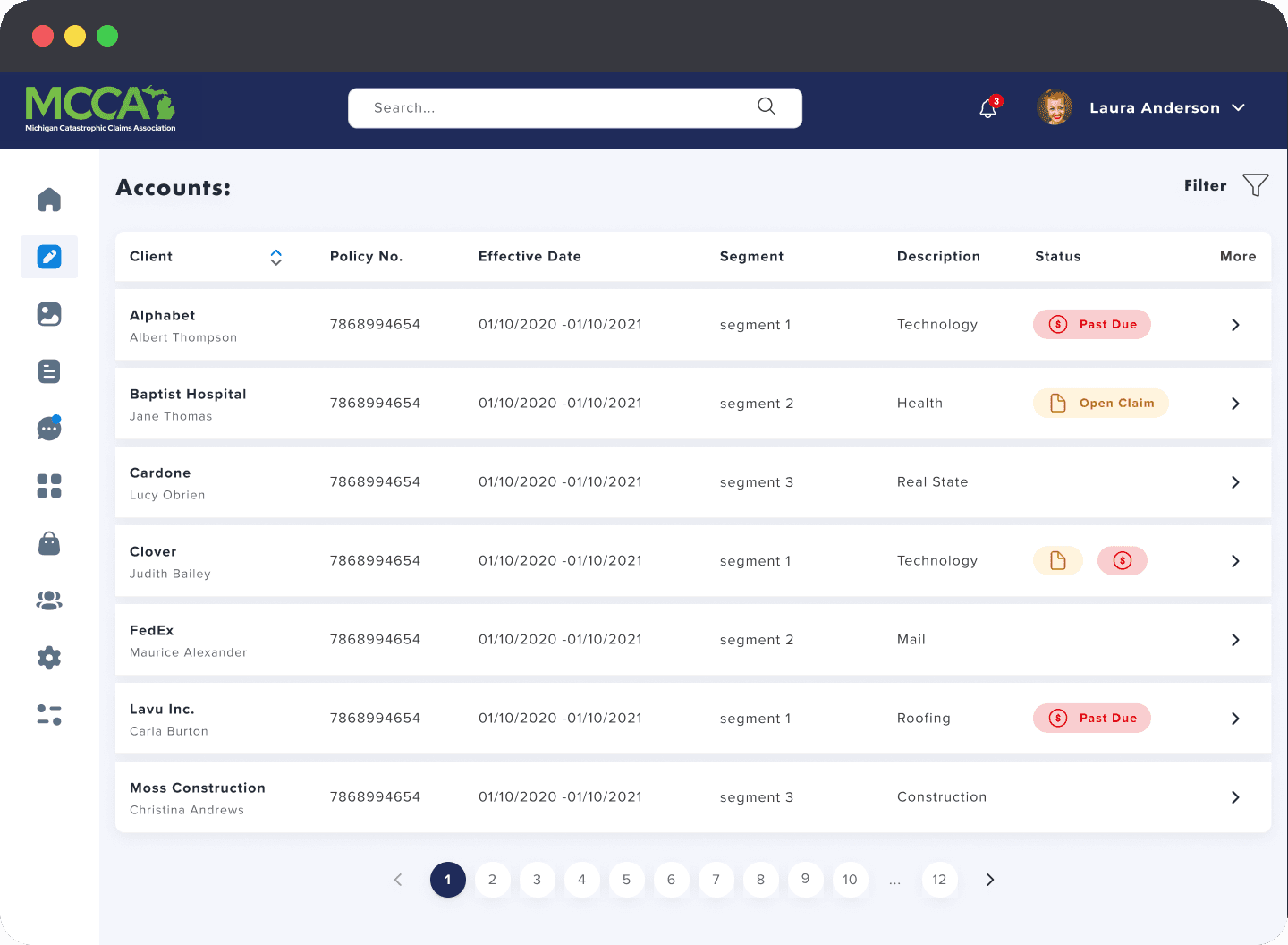
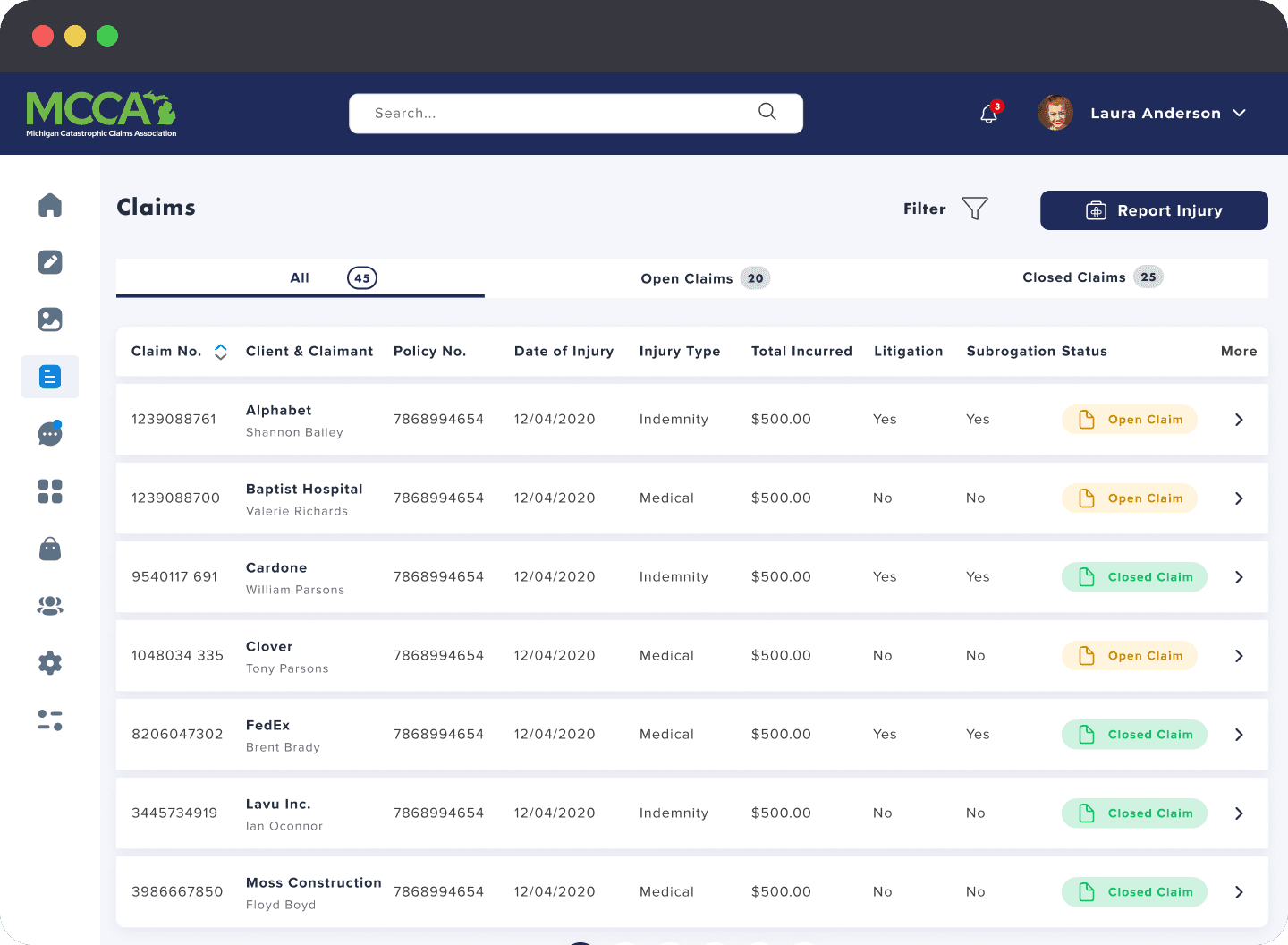
Information Architecture: Redesigned the platform navigation from department-based organization to a task-based workflow model, introducing a task-focused dashboard, persistent global search, and progressive disclosure patterns that allowed agents to complete quoting, servicing, and policy updates more efficiently.
Prototyping & Testing: Developed end-to-end workflow prototypes in Figma and iterated through multiple testing cycles. Introduced structured form containers, simplified navigation paths, and improved system feedback to reduce cognitive load and completion time. Usability testing confirmed measurable gains in task speed and reduced submission errors.
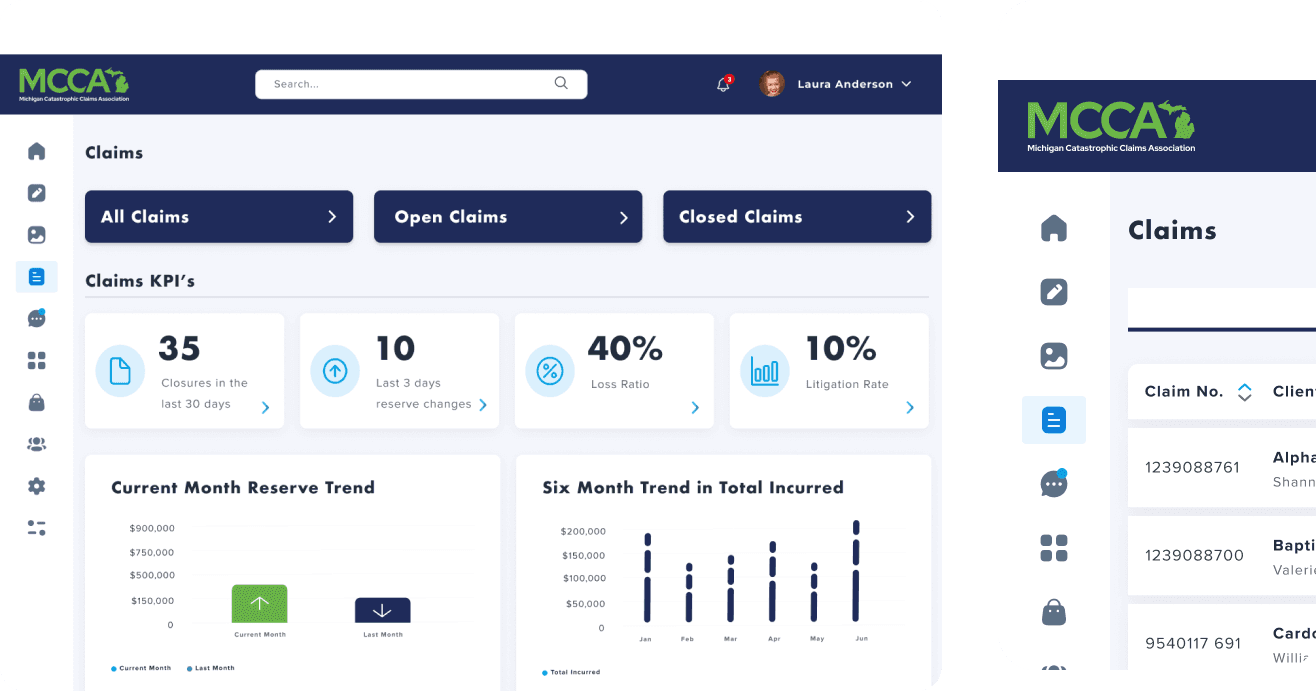
Design System & Accessibility: Established reusable workflow components, accessibility-compliant interaction patterns, and documented UI standards aligned with WCAG 2.2 requirements. This created a consistent implementation framework that enabled multiple teams to build features more efficiently while maintaining usability standards.

Results / Impact
The redesigned portal delivered significant operational and user experience improvements:
45% faster completion time for core servicing and quoting workflows
25% reduction in new-agent training time due to standardized interaction patterns
Fewer workflow interruptions and reduced error rates
A scalable workflow foundation enabling faster feature development across teams
The redesign improved agent productivity while giving internal product teams a consistent usability framework for long-term platform evolution.


Conclusion
This initiative transformed a fragmented legacy interface into a workflow-driven platform designed for scale. By aligning the experience with real agent tasks rather than internal system structures, the redesign improved operational efficiency, reduced onboarding overhead, and created a durable usability foundation for future product growth.
Beyond interface improvements, the project demonstrated how structured workflow architecture and design-system governance can modernize enterprise platforms and enable long-term organizational scalability.