Redesigning a Digital Benefits Platform for Clarity and Self-Service
Shifted a support-dependent benefits platform to a self-service-first experience by redesigning navigation, workflows, and guided help tools, significantly reducing support demand and user errors.

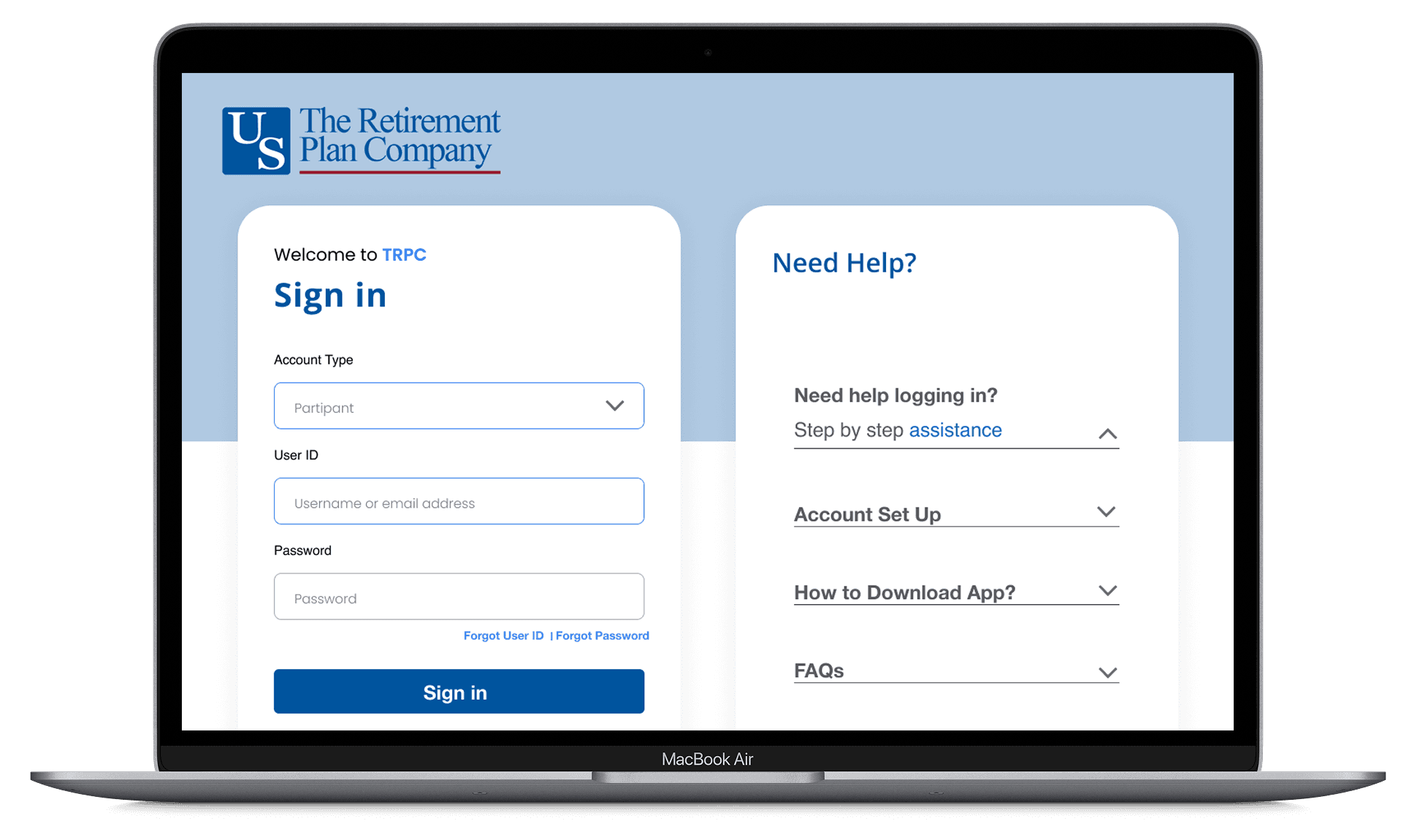
Senior Product Designer
FinTech / Benefits Platform
UX audit · UX strategy Workflow redesign Information architecture Prototyping · Design system
The Problem
A complex benefits platform generated excessive support requests because users struggled with confusing navigation, unclear workflows, and fragmented task flows, placing heavy strain on support and development teams.
Key Actions
Conducted UX audit and workflow research to identify high-friction user journeys
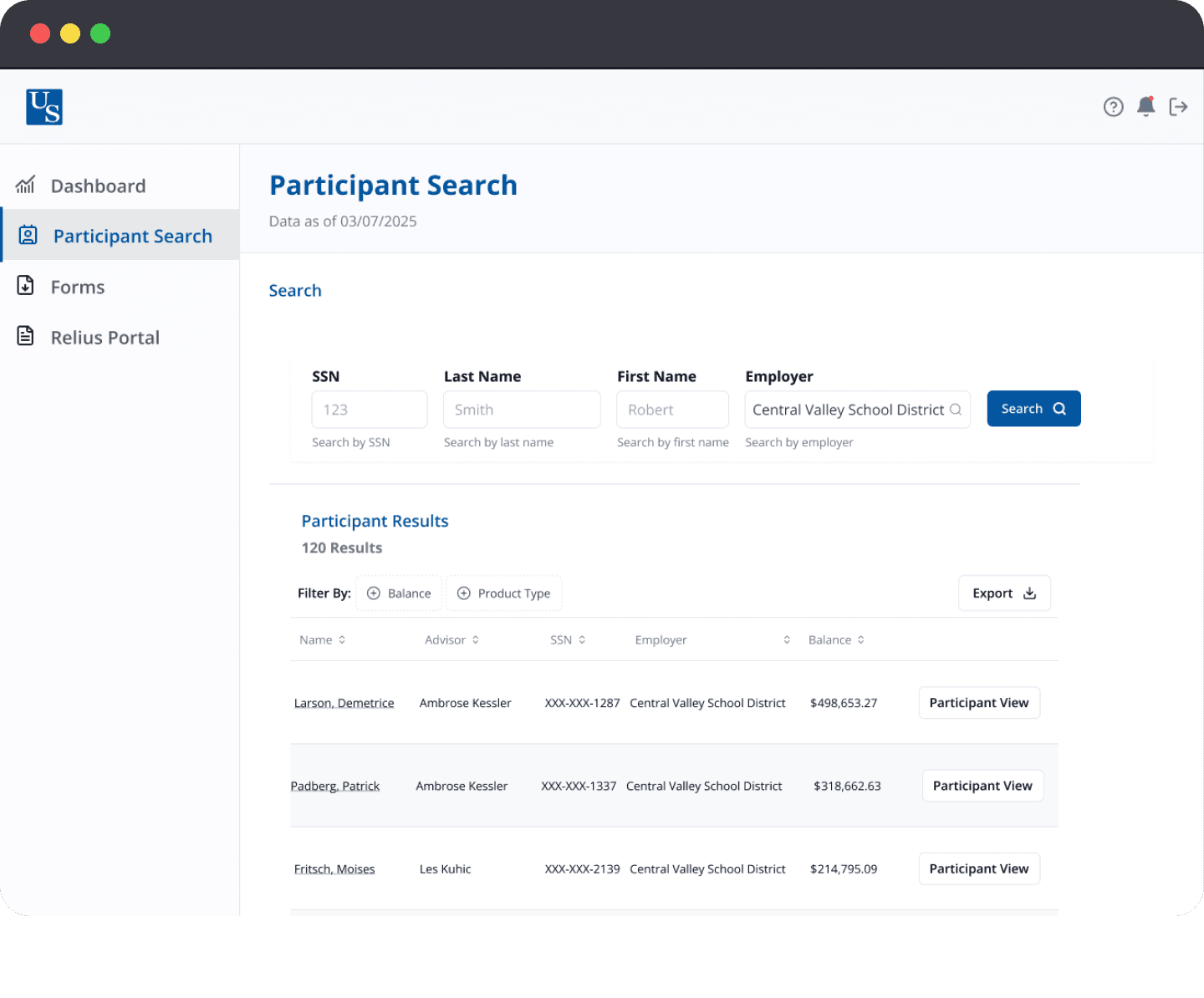
Redesigned navigation and architecture to support self-service task completion
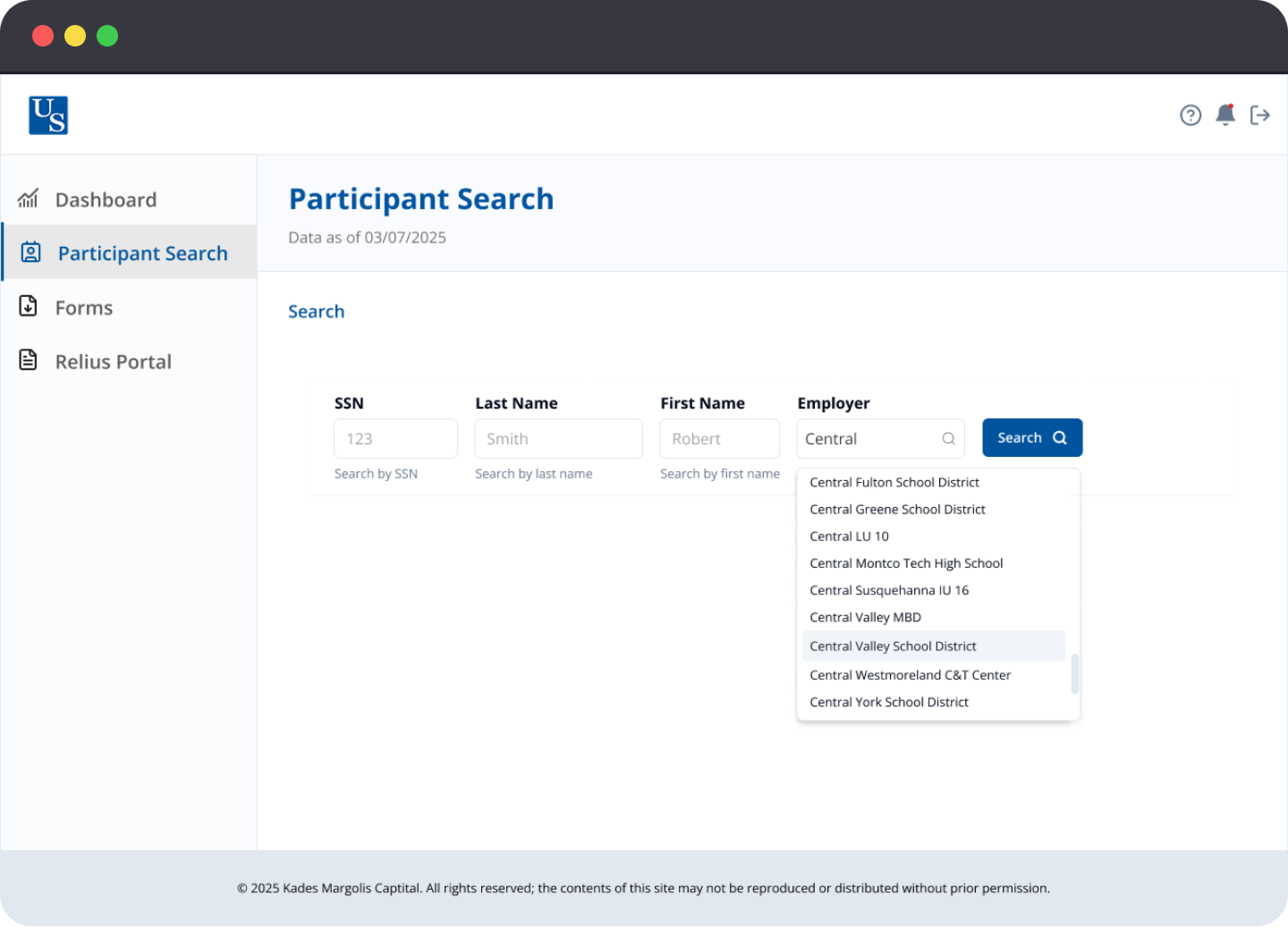
Introduced a guided help module that proactively resolved common user questions
Impact
50% drop in support tickets
30% reduction in user-reported errors
20% decrease in development backlog
Improved usability, scalability, and cross-team efficiency
50%
Support tickets down
30%
Decrease in user-reported errors
20%
Reduction in development ticket backlog


Challenge
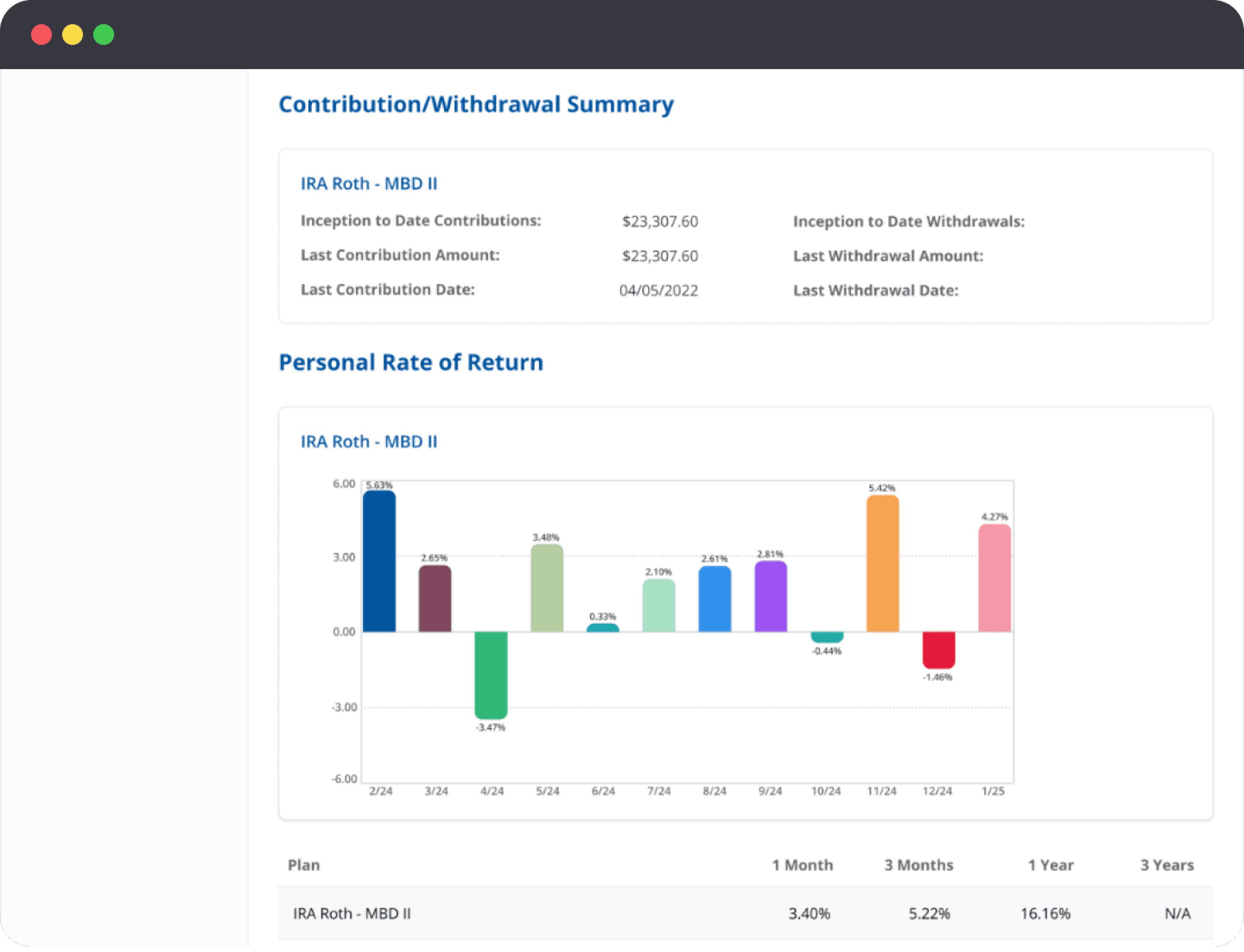
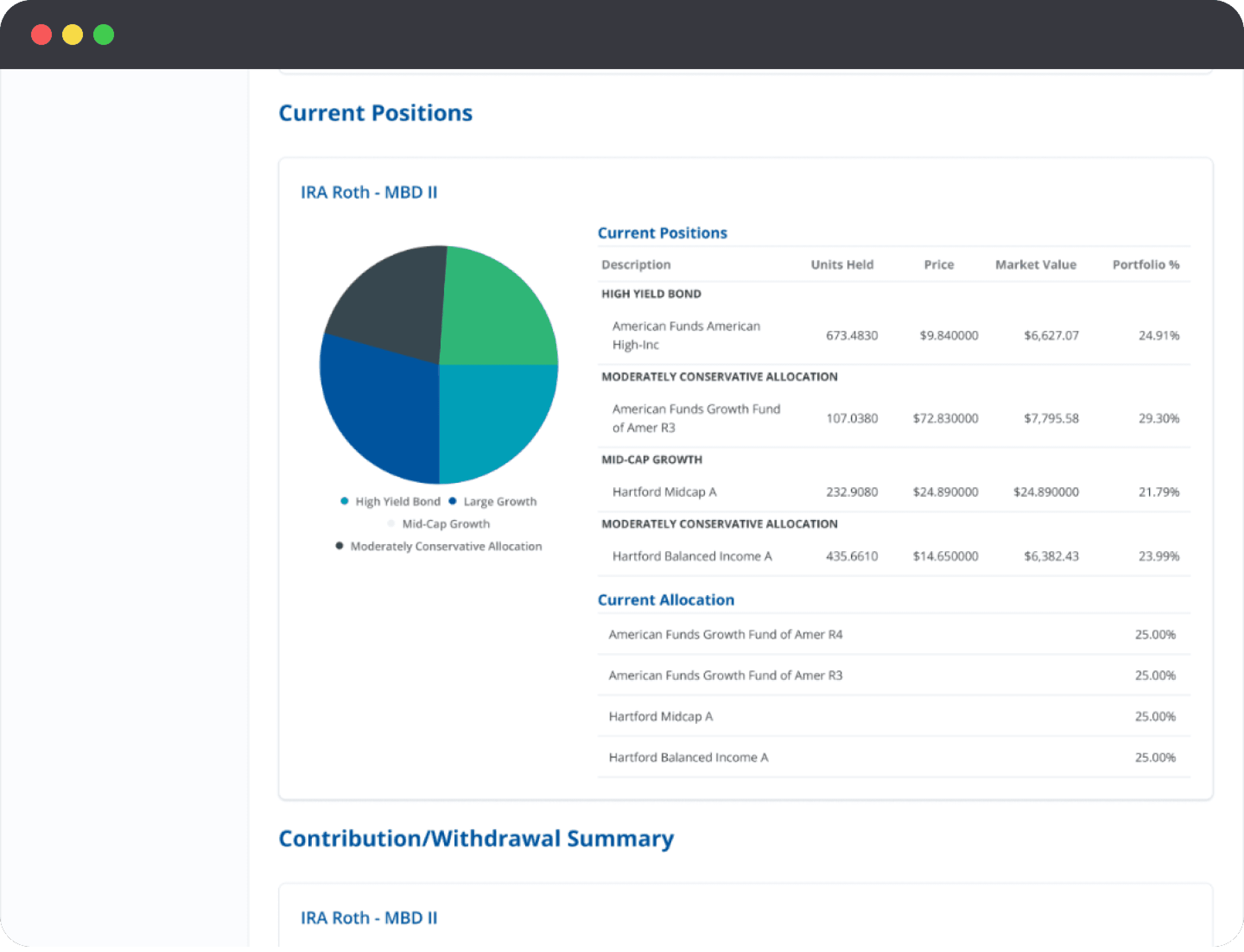
The existing benefits platform created operational strain by generating a high volume of avoidable support tickets due to confusing workflows and navigation patterns. Users frequently struggled to locate key features or complete essential tasks independently, while internal teams faced growing technical and support burdens as the platform scaled.
The initiative focused on redesigning the experience to enable intuitive self-service workflows, reduce operational overhead, and create a scalable usability framework capable of supporting long-term product growth.
Process
Research & Insights: Conducted a comprehensive UX audit combining stakeholder workshops, user interviews, and behavioral analytics to identify primary friction points, including navigation confusion, unclear system feedback, and repetitive support-driven workflows.
Information Architecture: Restructured the platform architecture to support intuitive navigation and task-based discovery. Introduced a guided help module designed to proactively answer common user questions and reduce reliance on live support channels.
Prototyping & Testing: Developed rapid prototypes to test redesigned navigation and self-service workflows, iterating through multiple validation cycles to eliminate redundant steps and improve clarity.
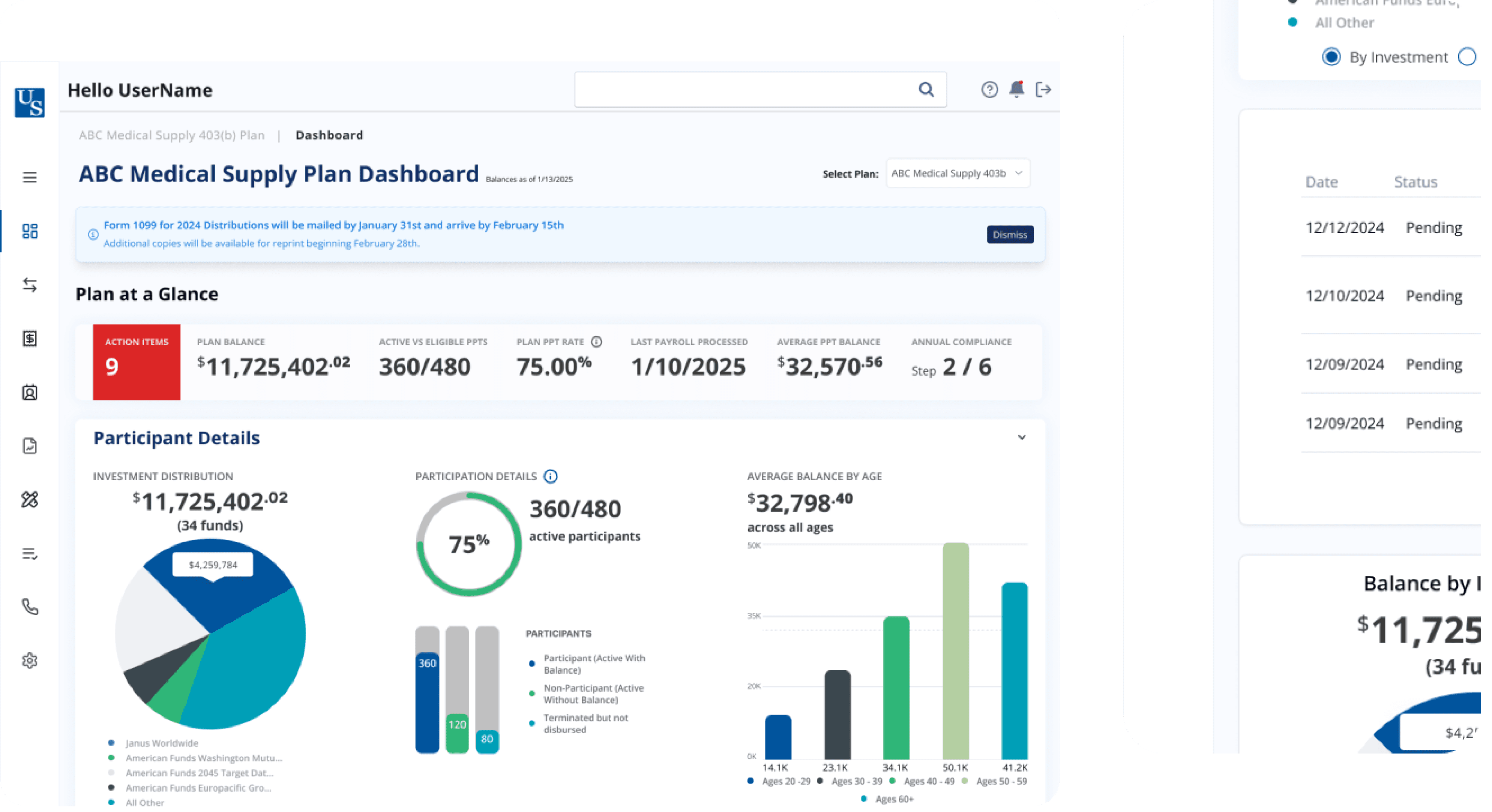
Design System & Accessibility: Delivered a modern, accessible design system with consistent interaction patterns, simplified visual hierarchy, and improved feedback states to enhance usability and prevent common user errors.

Results / Impact
The redesigned platform produced measurable operational and user experience improvements:
50% reduction in support ticket volume
30% decrease in user-reported errors
20% reduction in development backlog
Improved cross-team alignment and faster product iteration cycles
The redesign shifted the platform from a support-dependent experience to a scalable self-service model that improved efficiency across users, support teams, and engineering.


Conclusion
This initiative transformed a high-friction benefits platform into a self-service-first experience that empowers users to complete tasks independently while significantly reducing operational overhead. By aligning workflow design, navigation structure, and system feedback patterns, the project created a scalable usability foundation that supports long-term product growth and improved financial-planning experiences.